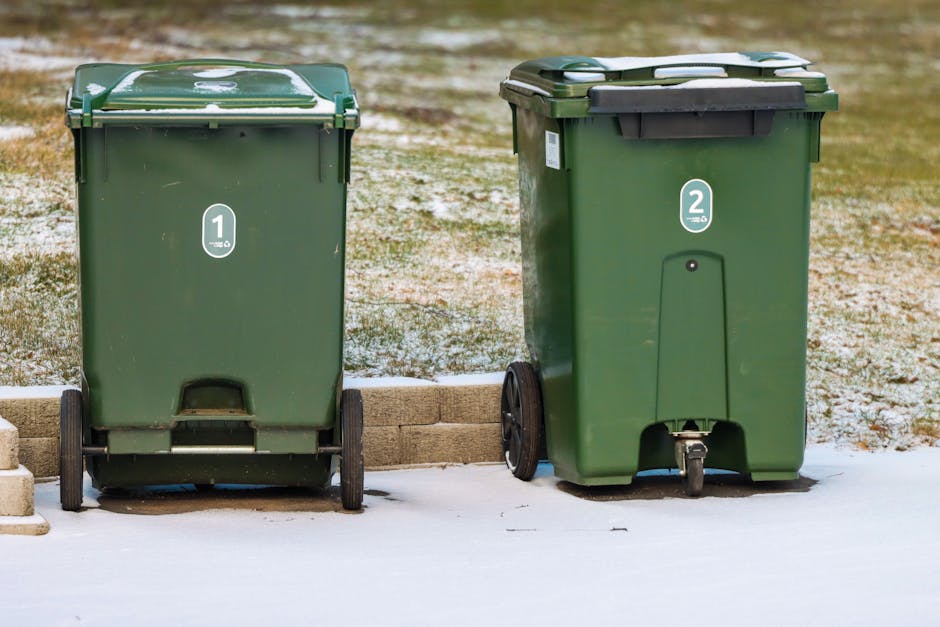
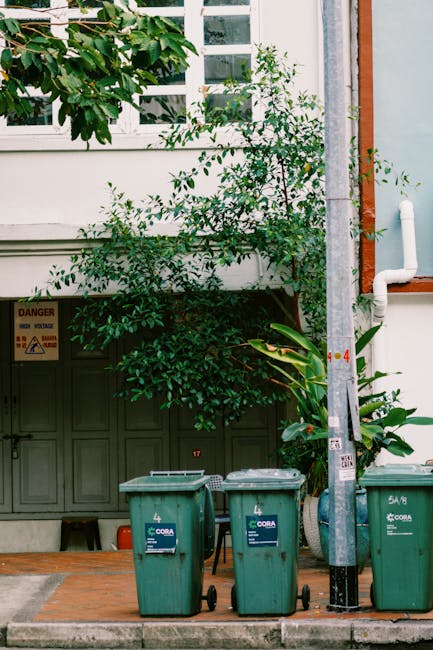
Croydon Council bin rules for garden waste Thornton Heath: a practical local guide
If you live in Thornton Heath and you are trying to work out the Croydon Council bin rules for garden waste Thornton Heath, you are not alone. Fresh grass cuttings on a Saturday, a heap of hedge trimmings after a tidy-up, or a few heavy bags of leaves after autumn can quickly turn into a small logistics problem. What goes in the green bin? What should be kept out? And what do you do when the garden waste is more than the bin can handle?
This guide walks through the day-to-day reality of garden waste disposal in Thornton Heath in plain English. It covers the rules, the practical do's and don'ts, the bits people usually get wrong, and the simplest ways to keep your garden tidy without making a mess of collection day. If you also need hands-on help with clearance or regular upkeep, services like garden clearance and garden maintenance can make a big difference, especially after a bigger seasonal cut-back.
Let's face it, nobody wants a rejected bin or a garden that looks tidier in the bag than on the lawn. A little clarity goes a long way.
Table of Contents
- Why Croydon Council bin rules for garden waste Thornton Heath Matters
- How Croydon Council bin rules for garden waste Thornton Heath Works
- Key Benefits and Practical Advantages
- Who This Is For and When It Makes Sense
- Step-by-Step Guidance
- Expert Tips for Better Results
- Common Mistakes to Avoid
- Tools, Resources and Recommendations
- Law, Compliance, Standards, or Best Practice
- Options, Methods, or Comparison Table
- Case Study or Real-World Example
- Practical Checklist
- Conclusion
- Frequently Asked Questions
Why Croydon Council bin rules for garden waste Thornton Heath Matters
Garden waste sounds simple until it isn't. A few grass clippings are one thing; a full hedge cut, branches, and a pile of weeds after a wet week are another matter entirely. The Croydon Council bin rules for garden waste Thornton Heath matter because they affect what gets collected, what gets left behind, and how cleanly your household can manage outdoor waste without creating extra work for yourself or neighbours.
In practical terms, the rules help keep collections predictable and reduce contamination. If the wrong materials go into a garden waste bin, the whole load may be treated as mixed waste rather than recyclable organic material. That can cause delays, extra disposal costs, or simply a very annoying "bin not emptied" moment when you were expecting an easy job.
There is also a local angle. Thornton Heath has a mix of small front gardens, shared access paths, terraced homes, and larger rear gardens. That means one household might only need a light tidy-up now and then, while another is generating regular green waste from trimming, mowing, and seasonal pruning. The same broad rules apply, but how you apply them at home can look a bit different.
For households that prefer to stay on top of the garden rather than dealing with a once-a-month mountain of trimmings, regular upkeep through lawn mowing and hedge trimming can keep waste volumes manageable in the first place.
Expert summary: the rules are not just about compliance; they are about making garden care easier, cleaner, and less stressful. If you separate waste properly and plan around collection capacity, you save time and avoid the awkward last-minute scramble.
How Croydon Council bin rules for garden waste Thornton Heath Works
At a basic level, garden waste collection works on a simple principle: clean, organic garden material should go in the right garden waste container, and non-garden items should stay out. The exact setup can vary by property type and council arrangements, so the safest approach is to treat the bin as a carefully sorted stream, not a general-purpose yard bin.
What usually belongs in garden waste? Think grass cuttings, leaves, weeds, small prunings, hedge clippings, and similar plant matter. What usually does not belong? Soil, stones, rubble, plastic plant pots, treated timber, food waste, pet waste, and bags that are not accepted for that collection stream. A lot of people get tripped up by this one. It seems harmless to toss in "just a little soil", but bin crews can be strict where contamination affects processing.
In a typical home garden, the easiest habit is to sort as you go. Keep one pile for green cuttings, another for reusable compost material if you have a compost area, and a separate bag or tub for anything that is not actually garden waste. It sounds fussy. It is a little fussy, yes. But it saves time later.
If you are tackling a bigger outdoor project, such as a full clear-up after overgrown borders or a redesign, a professional garden clearance service can help you separate material properly before it becomes a bin problem. If the work is part of a wider outdoor refresh, you might also look at landscaping or landscape gardening so the waste management fits the new layout from day one.
What usually causes issues
- Overfilling the bin so the lid cannot close properly
- Mixing in soil, rubble, or general household rubbish
- Leaving loose material that blows around the street
- Putting out the bin on the wrong day or after collection time has passed
- Using bags or containers that are not accepted for the collection
These sound like small things, but collections are built on small things. Miss one and the whole routine becomes a nuisance.
Key Benefits and Practical Advantages
Following the correct garden waste rules has benefits beyond simply avoiding a refusal sticker or a missed collection. The biggest advantage is control. You know what happens to your waste, when it is going out, and how to plan your garden work around the collection cycle rather than against it.
There is also the time-saving side. A well-managed garden waste setup means fewer emergency bag runs, fewer last-minute pile-ups in the shed, and fewer "where on earth do I put this?" moments after a long afternoon with the secateurs. If you have ever stood in the garden at dusk holding a bag of damp cuttings and wondering whether it will fit anywhere sensible, you will know exactly what I mean.
Other practical advantages include:
- Cleaner outdoor spaces: less clutter and fewer leftover piles after pruning
- Better scheduling: easier to time mowing, hedge cutting, and weeding before collection day
- Reduced contamination risk: more likely that recyclable green waste is accepted
- Lower stress: fewer disputes about what should be disposed of and what should be kept
- Better garden health: regular removal of waste helps prevent rot, pests, and patchy maintenance
For homeowners who like a well-kept garden but do not want the waste management side to get out of hand, a balanced approach works best. That often means light regular care, and then a deeper tidy-up every so often. A sensible rhythm. Nothing heroic.
Who This Is For and When It Makes Sense
This topic matters to a wide range of Thornton Heath residents. It is not just for big gardens or people who own fancy pruning shears. If you have any outdoor space that produces clippings, leaves, or trimmings, you are dealing with garden waste rules in one way or another.
It makes sense to pay close attention if you are:
- a homeowner with a small or medium garden
- a landlord keeping a rental property tidy between tenancies
- a tenant responsible for an outdoor area under your agreement
- a busy family trying to keep on top of weekly mowing and seasonal pruning
- someone clearing an overgrown plot before a sale or renovation
- a keen gardener who produces more organic waste than a standard bin can comfortably handle
It also matters if you are planning to change the garden itself. For example, if you remove old planting, reshape beds, or add new hard landscaping, the waste profile changes quickly. A project that starts as "just a tidy-up" can turn into several trips of mixed green waste and bulky material. That is where planning pays off. If you know a job is going to be larger than usual, it may be worth checking options through services overview or requesting clear pricing through pricing and quotes.
Truth be told, the rules make most sense when you think in terms of workload, not just bins. If your garden work can be done in one light sweep, the council setup may be enough. If it is a full weekend overhaul, you will probably need a broader plan.
Step-by-Step Guidance
Here is a straightforward way to handle garden waste properly in Thornton Heath without overcomplicating things.
- Identify the waste first. Separate grass, leaves, and prunings from soil, stones, plastics, and general rubbish.
- Keep the waste dry where possible. Wet material is heavier, messier, and more likely to squash the bin into a soggy block. Not ideal.
- Break down larger cuttings. Shorter branches and smaller bundles are easier to load and less likely to jam the bin.
- Check what the container allows. Do not assume all outdoor waste is acceptable just because it came from the garden.
- Fill the bin sensibly. Keep the lid closed. If the lid will not shut, you are usually asking for trouble.
- Put the bin out on the right day. Early enough to be collected, but not so early that it becomes an obstacle on the pavement.
- Watch for contaminants. Plastic ties, pots, and bags are common slip-ups. Easy to miss, easy to fix.
- Plan bigger clearances separately. If your waste exceeds normal collection capacity, arrange a one-off clearance rather than forcing it into the bin system.
One small but useful habit is to keep a dedicated "garden waste corner" in the shed or side return. A few sacks, a tub for stray plastic, and a place for prunings makes everything less chaotic. It sounds minor, but it really helps on wet evenings when the garden is muddy and the wheelbarrow feels heavier than it should.
If you are dealing with shrubs or trees, work carefully around branch size and disposal. Services such as tree lopping and removal can be useful where the waste is too bulky or awkward for ordinary household handling.
Expert Tips for Better Results
Most garden waste headaches can be prevented with a few good habits. The trick is not to wait until the pile is already too big. That is where people start improvising, and improvising with damp leaves is rarely charming.
- Tidy as you work: collect clippings as you go rather than leaving everything for one huge end-of-day sweep.
- Trim before a collection window: if possible, time bigger cuts so you can use the bin efficiently.
- Compost the easy stuff: if you already compost at home, use the bin for what is less suitable for composting and keep the reusable material aside.
- Do not overpack: compressed waste might seem efficient, but it can cause lifting and emptying issues.
- Keep an eye on the weather: a rain-heavy week can make waste far heavier than expected.
- Use the right tools: a sharp mower, decent secateurs, and a sturdy rake reduce waste mess and make separation simpler.
There is also a best-practice approach to bigger jobs: if you are clearing an entire front or back garden, start with a rough sort before you begin cutting. Otherwise you end up doing the same work twice. A quick pass to remove pots, broken supports, and non-organic items saves a lot of hassle later.
And yes, a garden bag that looks "nearly full" usually has another 20 minutes of stuffing left in it. We have all been there.
Common Mistakes to Avoid
People usually do not get the rules wrong because they are careless. More often, they are rushing, or they assume green waste is green waste and that is the end of the story. It is not quite that simple.
- Mixing soil with plant waste: soil is commonly treated differently and can cause problems in collection.
- Including plastic by accident: labels, plant ties, and broken containers are easy to overlook.
- Putting out bulky branches loose: sharp or awkward pieces can make the bin unsafe to lift.
- Leaving the lid open: if the lid cannot close, the collection may be refused.
- Using the bin for everything from the garden: that is where contamination often starts.
- Missing the collection day: especially after trimming on a Friday and forgetting the early morning schedule.
One common issue in Thornton Heath, especially where space is tight, is storing waste in a side passage for too long. It can attract pests, smell unpleasant in warm weather, and make access awkward for neighbours or tradespeople. A small pile can become a proper nuisance by Monday morning.
If your garden work regularly produces more than one household bin can reasonably take, consider combining routine care with periodic professional help. A reliable garden maintenance plan often solves the problem before it starts.
Tools, Resources and Recommendations
You do not need an expensive toolkit to handle garden waste well. A few practical items go a long way, and the best choice depends on the size of the garden and how often you tidy it.
| Tool or resource | Why it helps | Best for |
|---|---|---|
| Rake | Collects leaves and loose clippings efficiently | Lawns, borders, autumn clear-ups |
| Garden sacks or reusable tubs | Keeps waste contained before disposal | Small and medium tidy-ups |
| Secateurs or loppers | Reduces branch size for safer handling | Pruning shrubs and small trees |
| Wheelbarrow | Makes it easier to move heavier loads | Bulkier or repeated garden work |
| Compost area | Helps reduce the amount of waste needing collection | Leaves, soft cuttings, and organic scraps |
If you are planning a wider outdoor upgrade, it can also be worth thinking beyond waste alone. For example, well-designed borders and paved areas can reduce ongoing tidying. That is where decking services and broader landscape gardening can support a lower-maintenance setup in the long run.
A sensible recommendation? Keep a simple home routine, then call in extra help when the project changes shape. Most gardens do, eventually.
Law, Compliance, Standards, or Best Practice
For householders, the key issue is not usually a complex legal point. It is more about following local collection rules carefully and avoiding contamination. That said, there is a wider compliance angle in the sense that waste must be presented in a way that allows safe collection and proper processing.
Best practice in the UK generally means separating organic garden material from general rubbish and avoiding hazardous or non-organic items in the garden waste stream. In plain English: if it is not plant matter, or if it is contaminated with something else, do not assume it belongs in the green bin. When in doubt, keep it out until you can check the proper route.
There is also a safety angle. Loose branches, heavy wet bags, or overfilled containers can be awkward for collection crews and awkward for you too. Nobody wants to wrestle with a bin at 7 a.m. in drizzle. The safer the load, the easier the collection.
If your garden work involves repeated pruning, tree work, or a larger clean-up, it makes sense to use a service with clear safety and handling standards. You can read more about this approach through the site's health and safety policy and insurance and safety information.
Options, Methods, or Comparison Table
There is usually more than one way to deal with garden waste. The right method depends on how much material you have, how often it appears, and whether you want the least hassle or the lowest cost.
| Method | Best for | Pros | Trade-offs |
|---|---|---|---|
| Council garden waste bin | Regular small to medium garden waste | Simple, routine, familiar | Limited capacity, strict rules on contents |
| Home composting | Soft organic matter | Reduces waste, useful for soil health | Not suitable for everything; needs space and patience |
| One-off garden clearance | Large seasonal or renovation clear-outs | Handles bigger volumes quickly | Less suited to tiny jobs; may cost more than routine collection |
| Regular garden maintenance visits | Busy households and ongoing upkeep | Keeps waste manageable over time | Requires planning and a recurring schedule |
For many Thornton Heath homes, the best answer is a mix. A bit of composting, a council bin for everyday waste, and occasional professional support for the heavier jobs. That blend keeps the garden under control without making disposal the main event.
Case Study or Real-World Example
Here is a realistic example from the kind of situation many local households face. A family in Thornton Heath spends a sunny Sunday cutting back hedges, mowing a patchy lawn, and clearing a flower bed that has gone a bit wild after a few wet weeks. By the end, they have a pile of leaves, several sacks of clippings, a few woody stems, and a handful of broken plant ties.
At first glance, it looks like "garden waste". In practice, it is three separate decisions. The soft cuttings and leaves can go with the accepted garden waste stream. The woody stems may need to be cut down further or dealt with separately if they are too bulky. The plant ties and broken plastic bits should be removed before anything is presented for collection. A small task, but these small tasks are what keep things tidy.
In this type of job, the family often realises halfway through that the job is bigger than the bin space available. That is the point where a sensible plan helps. They can either reduce the load by composting some material, spread the work over a couple of collection cycles, or arrange a one-off clearance. If the garden has also become uneven or overgrown, it may be worth pairing the waste removal with a more structured tidy-up through garden clearance and ongoing lawn mowing.
The main lesson is simple: most garden waste problems are planning problems in disguise.
Practical Checklist
Use this checklist before collection day or before starting a bigger garden job.
- Have I separated plant material from soil, rubble, and general rubbish?
- Are all plastics, ties, pots, and packaging removed?
- Is the garden waste container not overfilled?
- Can the lid close properly?
- Have I broken larger branches into manageable pieces?
- Is the waste dry enough to handle safely?
- Do I know which day the collection is due?
- Is there any waste that needs a different disposal route?
- Do I need extra help because this job is larger than usual?
If you answered "no" to several of those, do not worry. That is exactly the point of the checklist. It turns a messy job into something manageable.
For more information about the business side of using a local gardening service, you may also find the about us and terms and conditions pages useful. If you are still comparing options or wondering what fits your budget, the recycling and sustainability page is also a sensible place to understand the wider approach.
Conclusion
The Croydon Council bin rules for garden waste Thornton Heath are easiest to manage when you think practically rather than obsess over every leaf. Keep waste clean, keep it separate, keep it manageable, and plan your garden work around the way the collections actually work. That combination prevents most problems before they start.
For small regular jobs, a tidy routine is usually enough. For bigger clear-outs, seasonal pruning, or gardens that have simply got away from you a bit, extra help can save time and stress. The good news is that once you have a system, it becomes second nature. You will notice the garden feels calmer, the bins behave better, and the whole job stops hanging over your head.
Get a free quote today and see how much you can save.
And if you are still weighing up your next step, start small. One tidy corner, one cleared border, one sensible plan. That is often all it takes to get the garden back on your side.
Frequently Asked Questions
What counts as garden waste for Croydon Council bin rules in Thornton Heath?
Typically, garden waste includes grass cuttings, leaves, weeds, hedge trimmings, and small prunings. It should be clean plant material rather than mixed household rubbish or construction debris.
Can I put soil in my garden waste bin?
Soil is often treated differently from green waste and can create collection issues. If you have soil, it is safer not to assume it belongs in the garden waste bin until you have checked the local guidance.
What should I do with branches and larger cuttings?
Break them down where possible so they are easier to handle and less likely to cause problems at collection. If the volume is too large, a garden clearance service may be the better option.
Can I put weeds in the garden waste bin?
Yes, weeds are generally part of garden waste if they are clean and free from non-organic contamination. Try to remove any plastic ties, pots, or general rubbish first.
What happens if my bin is overfilled?
If the lid cannot close properly, the bin may be left unemptied or not collected as expected. It is usually better to wait for the next cycle or reduce the load.
Do I need a professional service if I already have a garden waste bin?
Not always. For routine pruning and mowing, the council collection may be enough. For big seasonal clear-ups, overgrown plots, or repeated heavy waste, professional help can be more practical.
How often should I clear garden waste in Thornton Heath?
That depends on how quickly your garden grows and how much space you have. A little and often approach is usually easier than leaving everything for one huge job.
Can composting reduce the amount of waste I put out?
Yes, composting can reduce the amount of soft garden material you need to dispose of. It is especially useful for leaves, light cuttings, and other organic material.
What are the most common mistakes people make with garden waste?
The usual mistakes are mixing in soil, plastic, or general rubbish; overfilling the bin; and leaving waste out in a way that causes mess or missed collection.
Is garden waste disposal different for rented properties?
Sometimes, yes. The basics are similar, but responsibility can depend on the tenancy agreement and how the outdoor space is managed. It is worth checking before large amounts are put out.
When should I book extra help for garden clearance?
If the waste is bulky, the garden has become heavily overgrown, or you are short on time, extra help is usually the easiest route. It saves a lot of back-and-forth.
Where can I get help with regular garden upkeep in Thornton Heath?
If you want ongoing support rather than a one-off tidy-up, services like garden maintenance, hedge trimming, and lawn mowing can keep waste volumes under control and make collections much easier to manage.