Gardening Services in Thornton Heath

Our gardening services in Thornton Heath bring together the everyday work that keeps outdoor spaces neat, manageable and ready to use. From lawn care and hedge trimming to larger seasonal clear-ups, we focus on practical maintenance that suits front gardens, back gardens and shared outdoor areas. If your plot needs regular attention or a one-off reset, we can help shape the work around the condition of the space and the tasks that matter most.
The main aim is straightforward: keep the garden tidy, healthy-looking and easier to look after. That may mean repeated maintenance, selective cutting back, or restoring order after a period without care. We work across common domestic requirements and can combine several tasks in one visit when that is the sensible way to finish the job. Clear priorities make the result more useful, whether the focus is presentation, growth control or simple clearance.
To discuss the work you need, use the short note below as a starting point and then request a quotation in the way that suits you best. If you already know the main problem areas, that helps us keep the estimate focused. Tell us what you want done, and we can take it from there.
Regular garden maintenance for a tidy, usable space
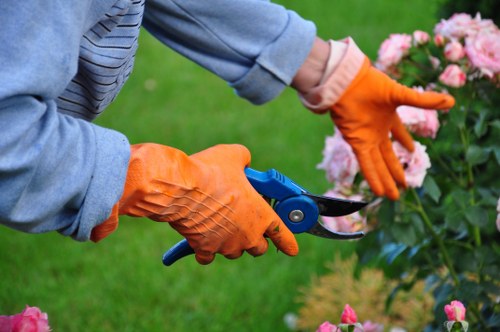
Routine garden maintenance is often the most efficient way to stop small jobs becoming larger ones. In practice, this can include mowing, edging, weeding, light pruning and keeping paths, borders and lawn edges presentable. It also helps when growth has become uneven, as a measured trim can improve the shape of a bed or hedge without forcing unnecessary cutting. Good maintenance is less about a single dramatic change and more about steady, well-judged work.
Some gardens need attention every few weeks, while others only need help at certain times of year. We can tailor the work to the garden’s condition, the amount of growth, and the level of finish you want to maintain. Where several jobs are combined, it is usually best to group them in a practical order: cut, trim, clear, then tidy. That approach keeps the visit efficient and gives the garden a cleaner overall result.
For larger or more varied spaces, a garden maintenance service can be a sensible choice when you want repeated upkeep rather than a one-off intervention. It is especially useful if different parts of the garden need different treatment, such as softer handling for planting areas and firmer control for open grassed areas. When you are ready, ask for a quotation and describe the current condition as plainly as possible.
Lawn mowing and grass care

A well-kept lawn usually depends on consistency rather than occasional heavy work. Mowing at the right height, keeping edges clean and removing clippings when appropriate can all improve the appearance of the space. If the grass has grown long, the first cut may need to be approached more carefully so that the lawn is not stressed. The exact method depends on the condition of the turf, the season and how the lawn has been maintained so far.
Grass care can also involve a little more than mowing alone. Uneven patches, overgrown borders and awkward corners often need a neater finish around the main cut. In some gardens, a clean edge along a path or bed makes a surprisingly large difference to the overall look. Where the lawn is part of a larger garden, it often works best to think of mowing as one part of a wider tidy-up rather than an isolated task.
If grass is only one part of the work, our lawn mowing page is a useful place to start when you want the lawn handled in a direct and practical way. A quotation request is easiest when you include the approximate size of the lawn and mention any areas that are especially long, uneven or difficult to reach. That gives a clearer starting point for the work.
Hedge trimming and shape control
Hedges need regular shaping if they are to stay neat, dense and within a manageable size. Trimming is not only about appearance; it also helps maintain usable boundaries, keeps pathways open and stops growth from becoming too heavy in one direction. Some hedges need light trimming to keep a sharp outline, while others may need more noticeable reduction to bring them back into line. The correct approach depends on species, current size and the amount of overgrowth.
There is also a difference between simple tidying and more careful reshaping. A well-trimmed hedge should look even without being stripped back too hard, and the cut should support healthy regrowth rather than leave the plant looking sparse. If a hedge has become broad at the top, leaning, or difficult to manage from one side, the trim may need to be planned with those issues in mind. Measured cutting is often better than over-correction.
For work focused on boundary growth and overhanging sections, see our hedge trimming service. If you are sending details for a quote, include the approximate length and height of the hedge and mention whether it is one-sided or accessible from both sides. A short description of the result you want can help the estimate stay accurate and practical.
Garden clearance for overgrown or cluttered spaces
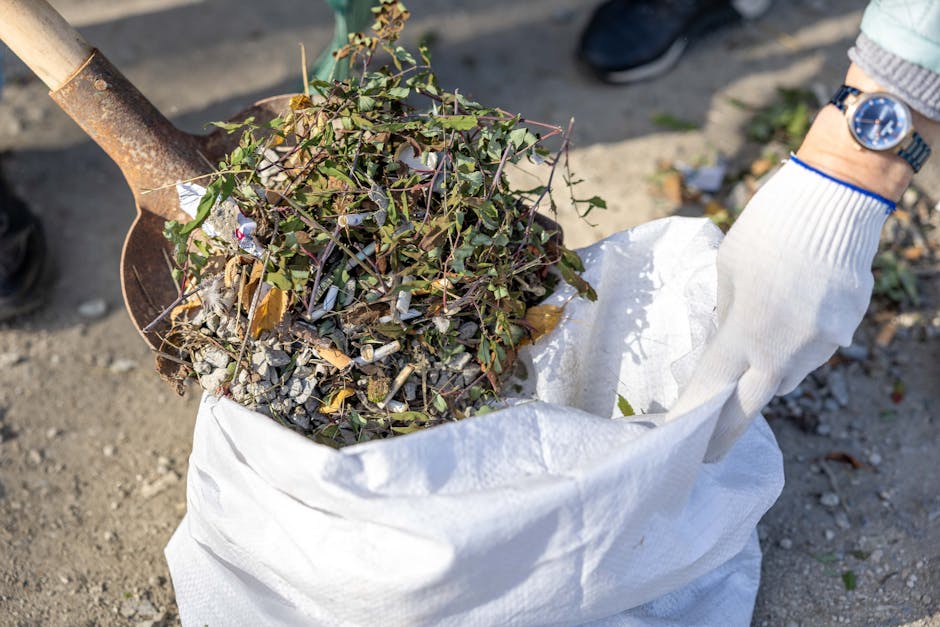
Garden clearance is often needed when a space has become difficult to use because of dense growth, accumulated cuttings or general neglect. The work may include cutting back overgrowth, removing unwanted green waste, clearing tangled areas and restoring access to paths or borders. In some gardens, clearance is the first step before any ongoing maintenance can begin. In others, it is a stand-alone job that simply brings the space back under control.
This kind of work is usually more varied than routine upkeep. It can involve a combination of cutting, collecting, bagging and tidying, especially where the garden contains several problem areas rather than one obvious task. Clearance can also be useful after a period of no maintenance, when it is better to rebuild the order of the space before deciding on regular care. A careful approach helps distinguish what should be kept from what needs removing.
Where the garden needs a reset, our garden clearance service gives a clearer route into the work than trying to tackle it piecemeal. If you are requesting a quotation, it helps to say whether the space is lightly untidy or heavily overgrown, and whether waste removal is part of the job. A practical description of the main obstacles is usually enough to begin.
Landscape gardening and garden reshaping
Landscape gardening is the broader side of outdoor work, where the aim is not only to maintain what already exists but to improve the structure and use of the garden. That may involve reorganising borders, reshaping areas of lawn, improving planting zones or introducing more defined boundaries between sections. The work often begins with a simple question: what should the garden do better once the job is finished? The answer may be visual balance, easier access or a layout that is simpler to maintain.
Some landscape gardening work is light and selective, while other projects need more planning. A small garden might benefit from clearer lines and a more disciplined layout, whereas a larger one may need different areas to be brought into better relation with each other. The most useful changes are usually the ones that fit the space rather than fight it. That is why the design and the practical maintenance of the garden should be considered together, not separately.
If you are exploring broader improvements, our landscape gardening page is a helpful next step. For quoting purposes, it is best to explain what you want to change rather than simply saying the garden needs improving. A brief outline of the current layout and the result you want will help shape a more relevant estimate.
About Thornton Heath
Thornton Heath is a district in the London Borough of Croydon, in south London, centred around a busy high street and railway station that has linked the area with central London since the late nineteenth century. The area grew rapidly during the period of suburban expansion that transformed much of outer London, and its streets still reflect that history through a mix of Victorian and later terraced housing, local shops and community facilities. Thornton Heath railway station sits on the Brighton Main Line, giving the district a clear transport identity and helping anchor the local centre. Not far away, Thornton Heath Pond is a familiar local landmark, and the surrounding roads lead toward a varied patchwork of residential streets and commercial frontages. The district also lies close to larger open spaces in nearby parts of Croydon, so everyday life combines dense urban neighbourhood character with access to parks and green corridors within the wider borough. The area has a distinctly mixed urban texture: narrower residential roads, busier main-road sections and pockets of civic, religious and leisure buildings sit alongside one another. As with many south London districts, its development was shaped by rail access, housing demand and the gradual layering of different building periods rather than a single planned scheme. That gives Thornton Heath a practical, lived-in character, with a strong local centre and a pattern of streets that still serves everyday residential use.
Tree work, pruning and removal

Tree work needs a careful balance between reducing problem growth and preserving the health and appearance of the tree where possible. Depending on the situation, this can mean pruning lower growth, reducing crowded branches or removing a tree that has become unsafe, unwanted or too large for the available space. The right approach depends on the species, location and condition of the tree, along with any obstacles nearby such as fences, sheds or adjoining gardens.
Pruning is often the more measured option when the aim is to improve structure, reduce weight or allow more light through the canopy. Removal is generally considered when a tree is no longer suitable for the site or has reached a point where selective cutting is not enough. In either case, the work should be planned so that the surrounding garden is left tidy and usable, with clear attention to access and waste handling. Safety and control matter as much as the visible finish.
Where tree work is the main requirement, our tree lopping and removal service covers the kind of practical attention that can be needed for domestic gardens. If you are requesting a quotation, describe the tree’s approximate height, position and whether there are tight access points or nearby structures. That gives a more accurate sense of the task before work is arranged.
Decking areas and the garden around them
Decking needs attention both as a surface and as part of the wider garden layout. Around the deck, overgrowth can hide edges, trap debris or make access less straightforward, while the deck itself may benefit from being integrated more neatly into the surrounding space. Work in this area often involves cleaning up borders, trimming nearby growth and making sure the transition between deck and planting areas feels orderly. A tidy edge can make the whole section look much more deliberate.
Where a garden includes decking, the rest of the maintenance often has to be planned with that feature in mind. Cutting back shrubs too aggressively around a deck can leave it looking exposed, while leaving them untouched can make the structure feel crowded. The best result usually comes from sensible, balanced trimming that respects both the hard surface and the planting around it. If needed, the surrounding beds and borders can be brought into better shape at the same time.
To see how this kind of work fits within a wider outdoor project, visit our decking services page. If you want a quotation, mention whether the work is mainly about cleaning up the area around the deck or improving the overall appearance of the garden section that contains it.
Choosing the right level of gardening support
Different gardens need different amounts of help, and the right service depends on whether the priority is maintenance, recovery or improvement. Some clients mainly need a reliable schedule for mowing and trimming, while others need a one-off reset after a period of neglect. It is also common for the work to sit somewhere between the two, where the garden is generally manageable but one or two sections have fallen behind and need a focused visit.
When deciding what to request, it is often useful to think in terms of outcomes rather than tools. Do you want the space easier to use, easier to maintain, or better presented for visitors or residents? From there, the tasks can be grouped into a sensible order. A clear outline also helps if several areas need attention, because it allows the work to be built around the most urgent parts first and the finishing details second.
An overview of our wider services can be found on the services overview page, which is helpful if you are comparing maintenance, clearance and improvement work. If you already know the type of support you need, ask for a quotation in plain terms and include anything that affects access or the scope of the job.
Planning a quotation and preparing the visit
A clear quotation usually starts with a straightforward description of the garden and the tasks involved. If the space is modest, a short summary may be enough; if it is more complex, a few extra details about size, growth, access and the main problem areas can make the estimate more useful. Where several jobs are involved, it helps to group them by priority rather than listing them in no particular order. That makes it easier to understand what matters most.
It can also help to mention whether the work is a one-off or whether you are hoping to set up recurring maintenance. For the visit itself, the most useful preparation is simply to make sure the areas to be worked on are accessible and that the main features you want kept are easy to identify. If you have a gate, side passage or other restricted access, note that early so the job can be planned appropriately.
For pricing and quotation guidance, see our pricing and quotes page. When you are ready, contact us for a quotation and include a short description of the garden, the tasks you want completed and any practical access notes.